This post is also available in:
 English (Englisch)
Übersicht
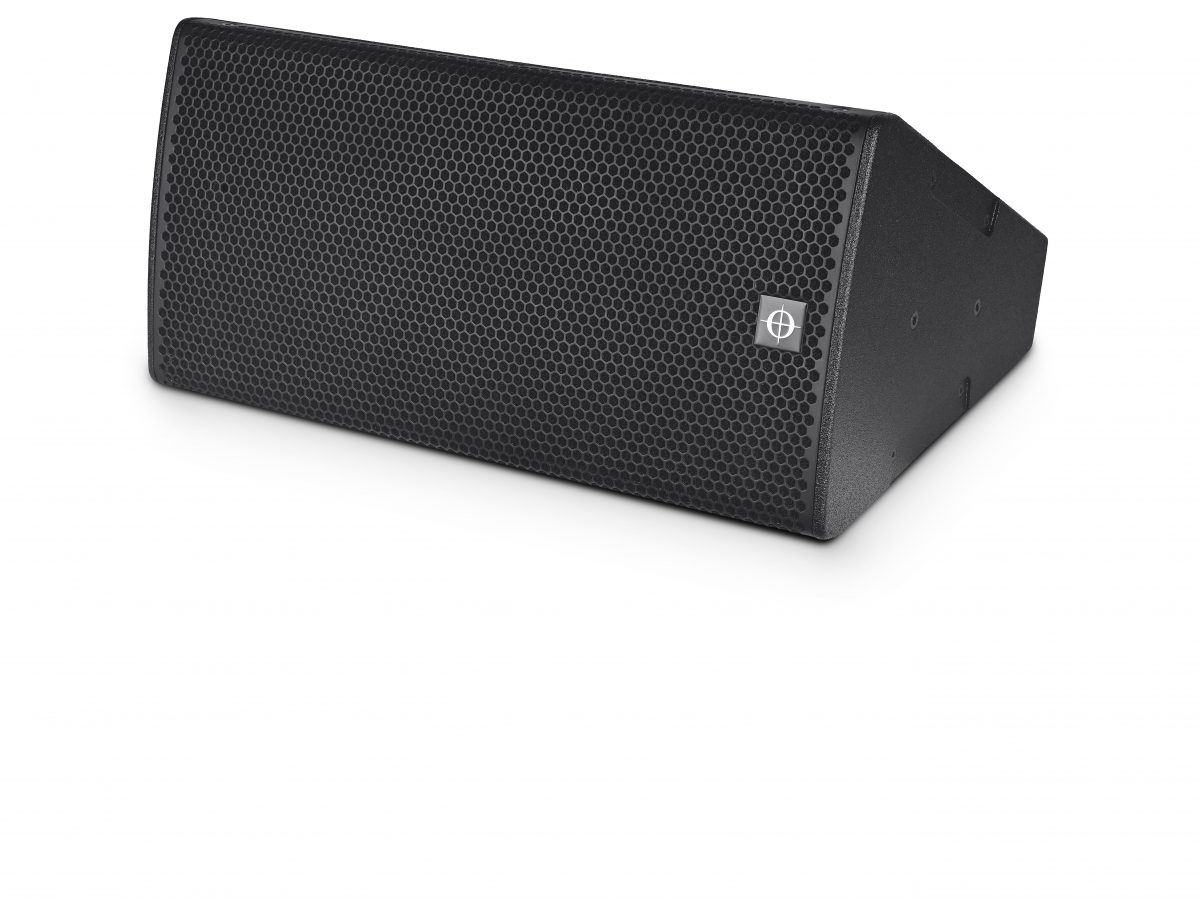
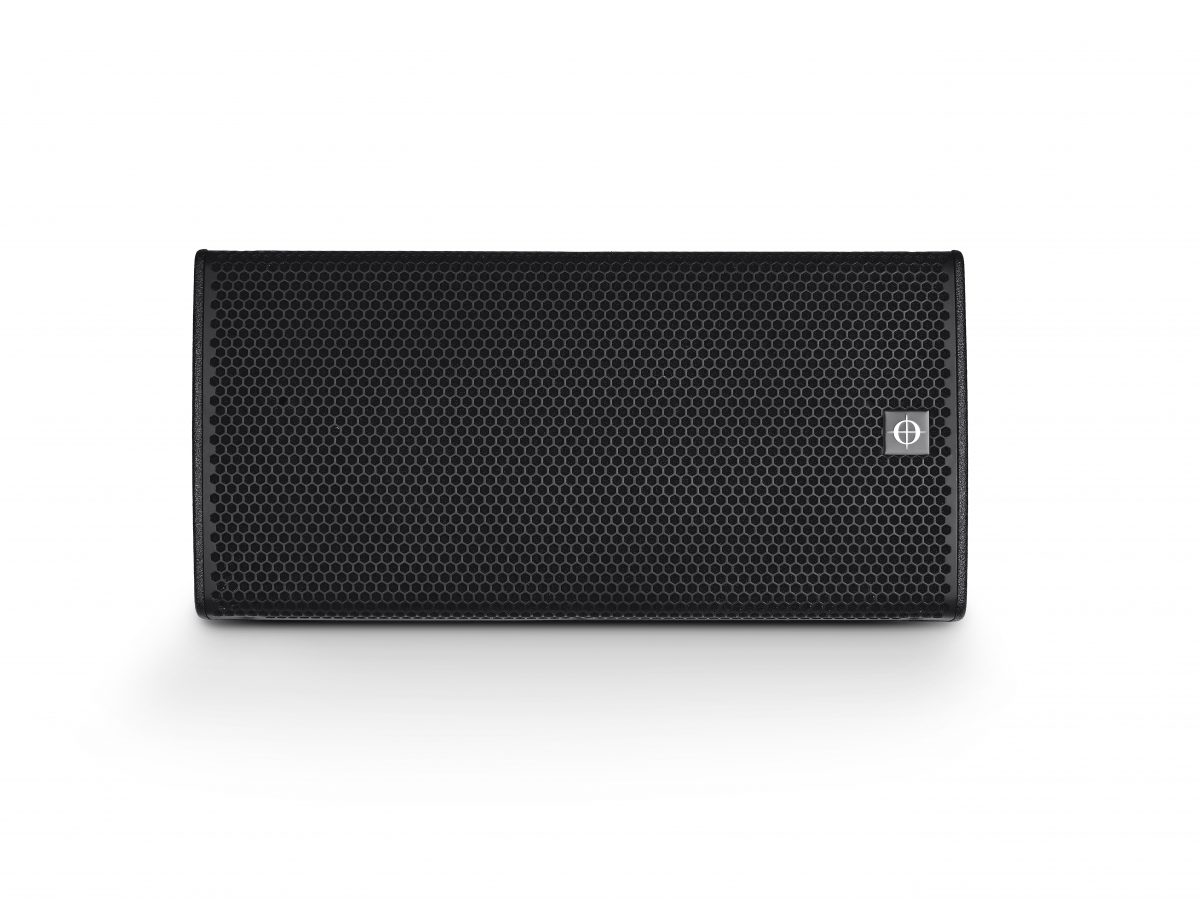
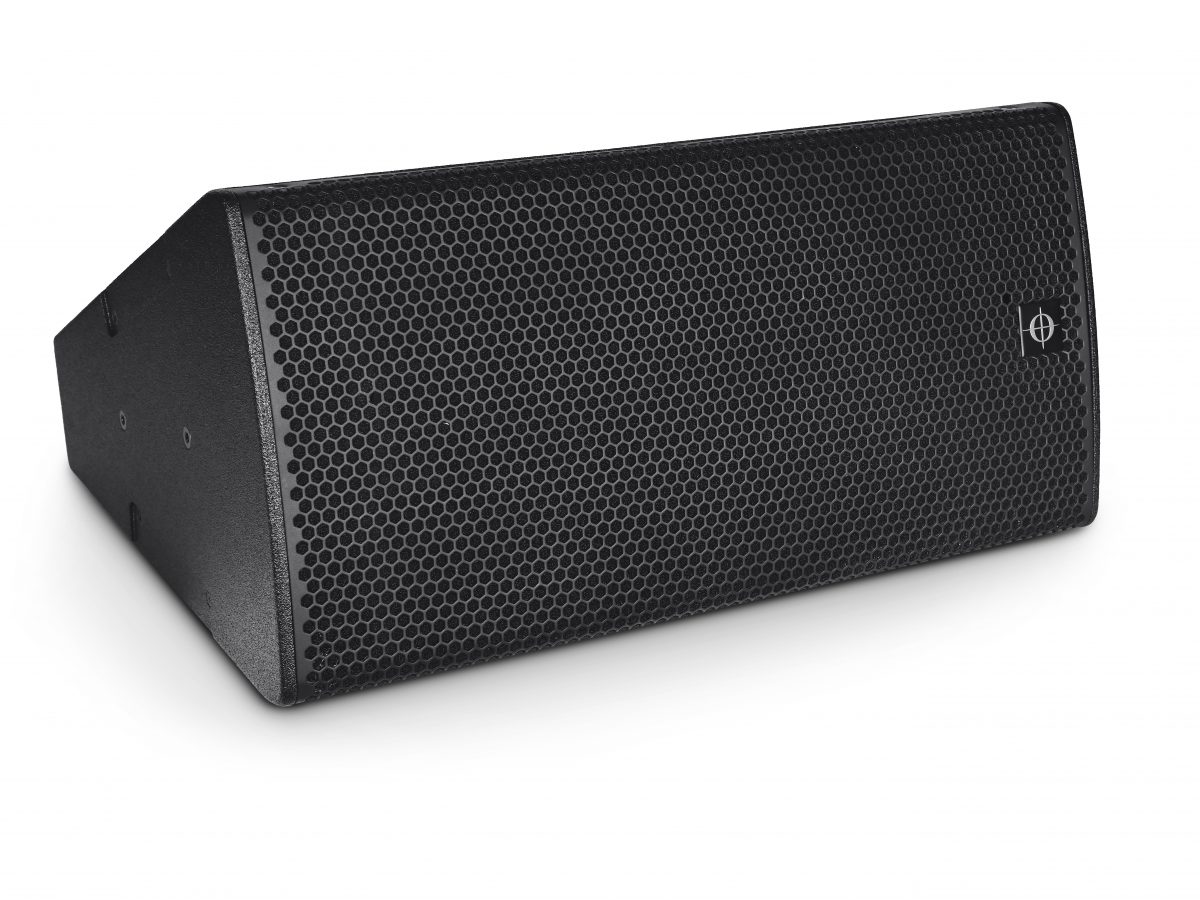
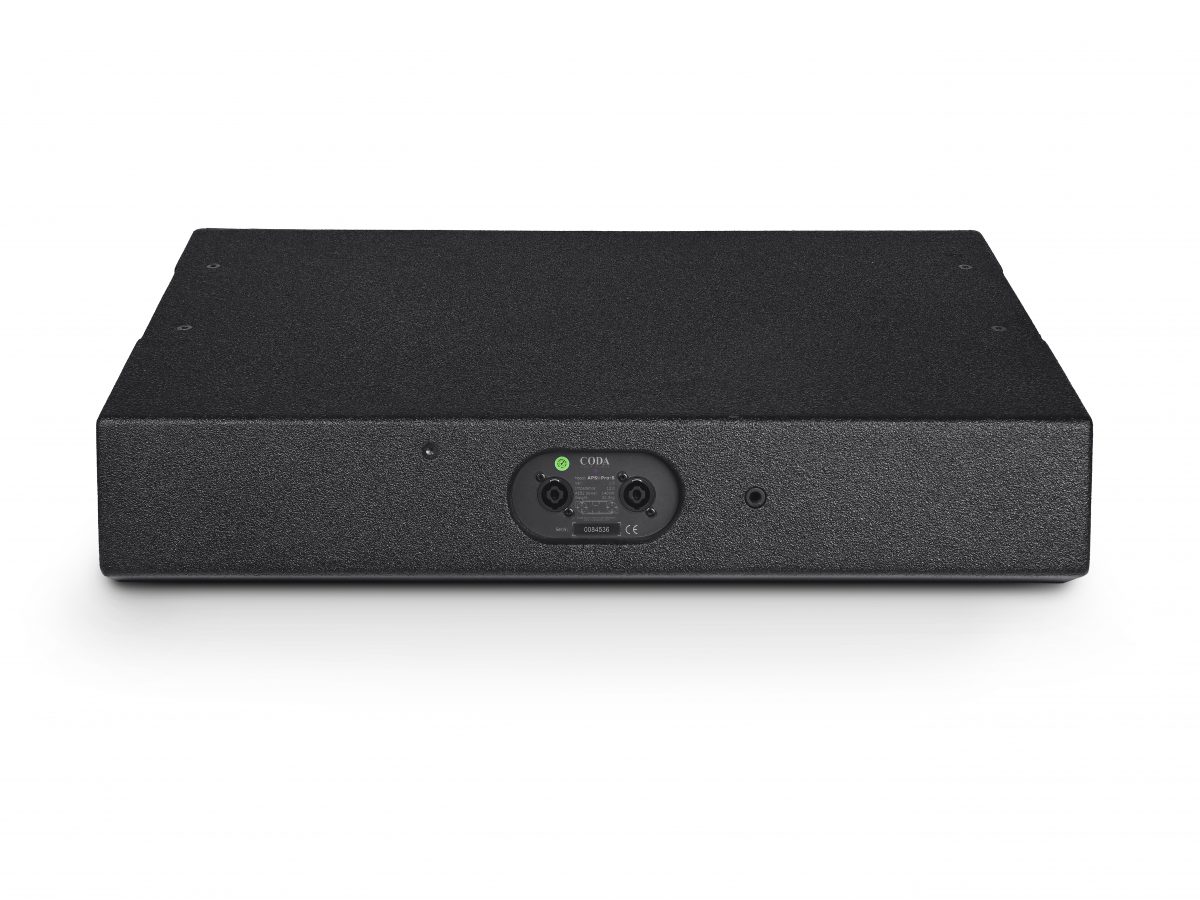
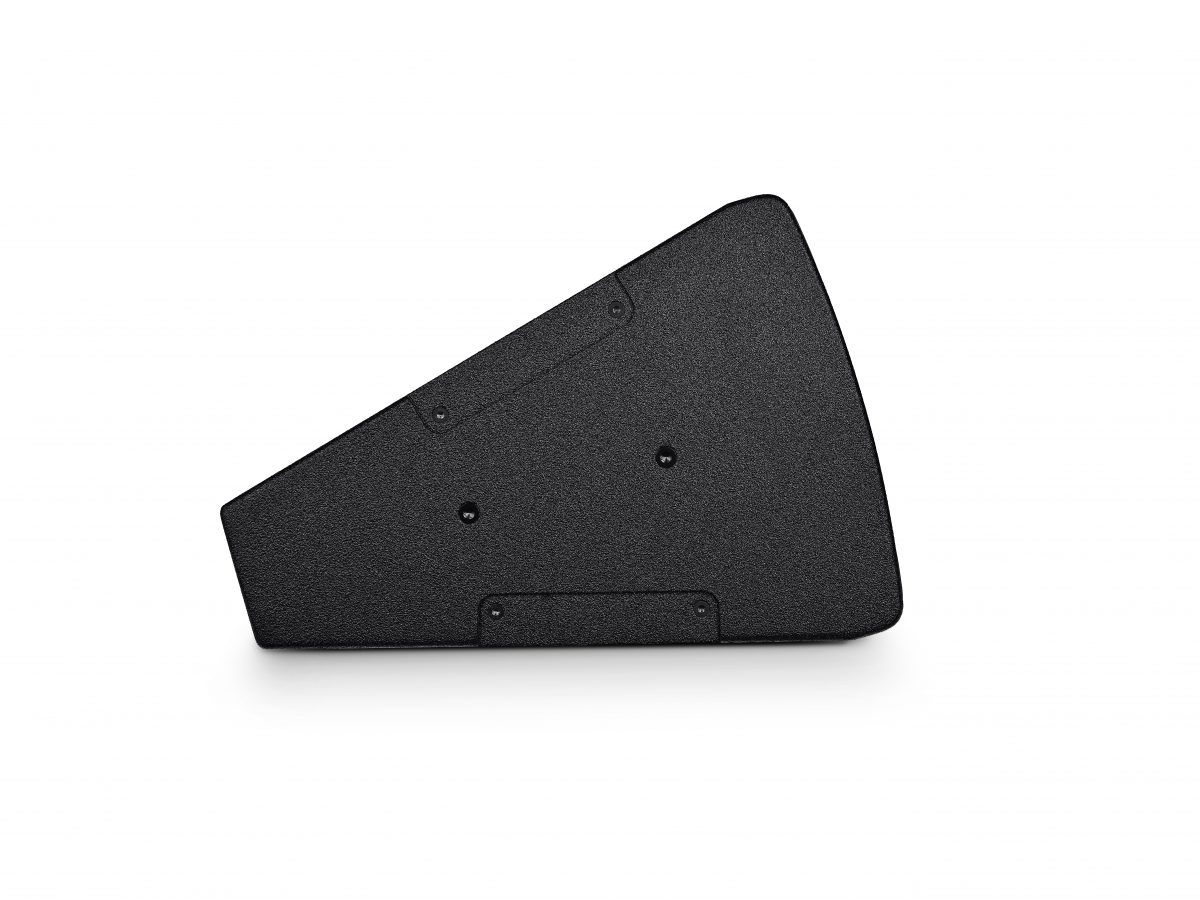
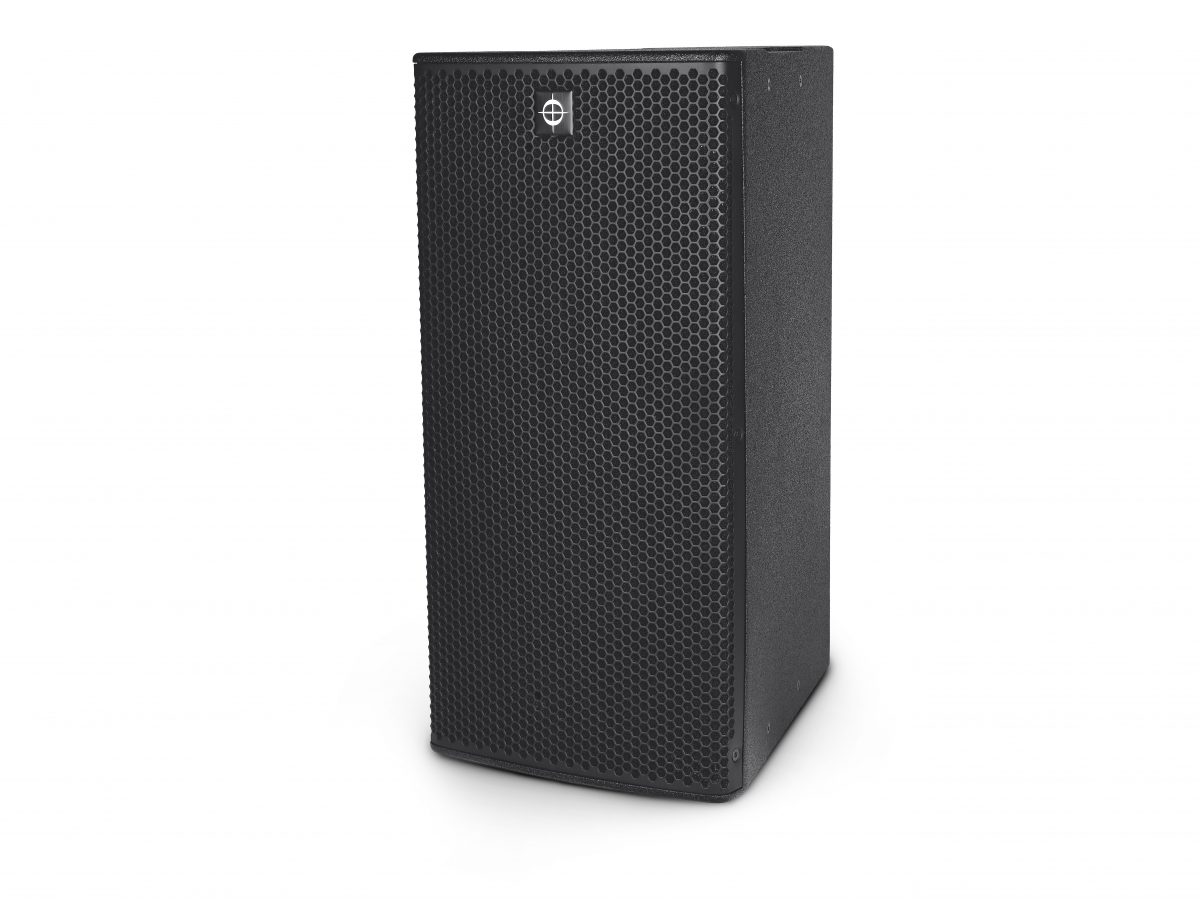
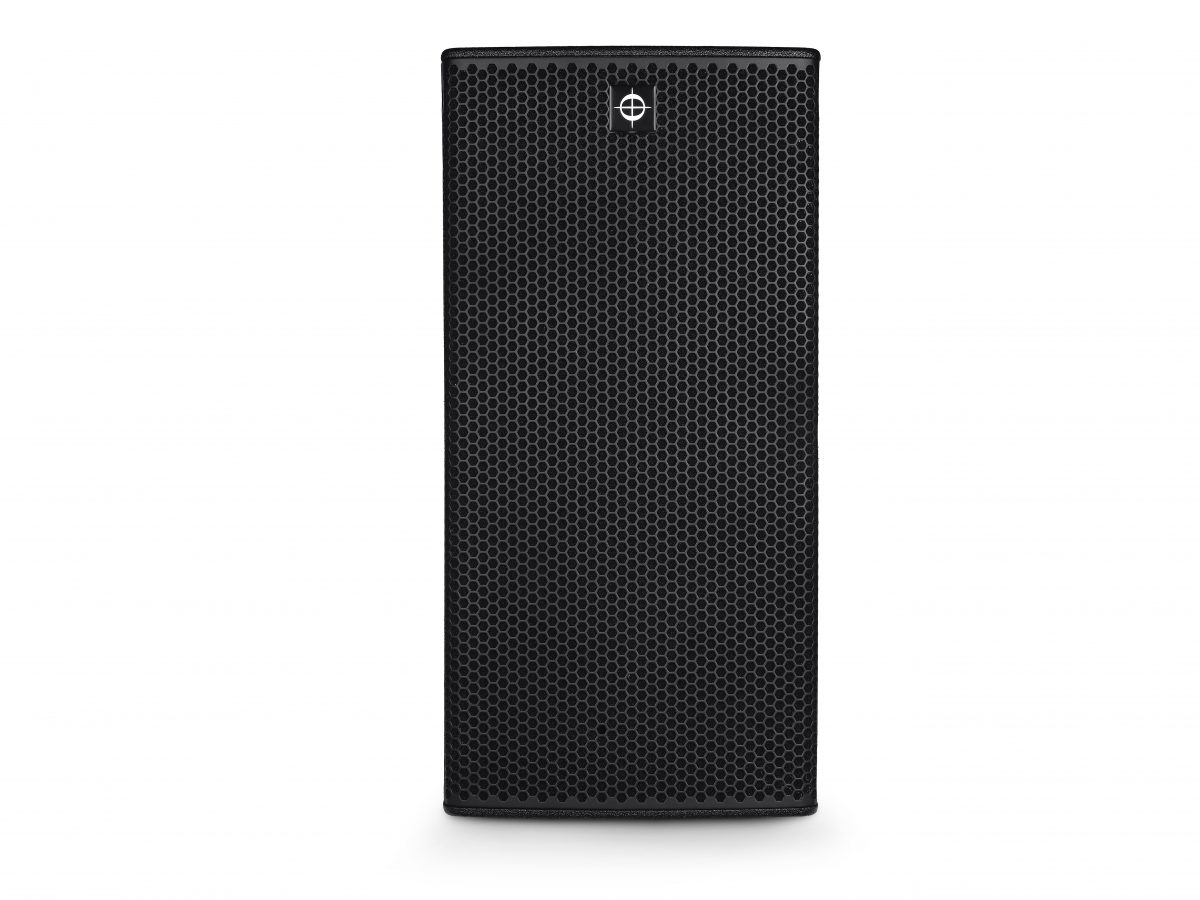
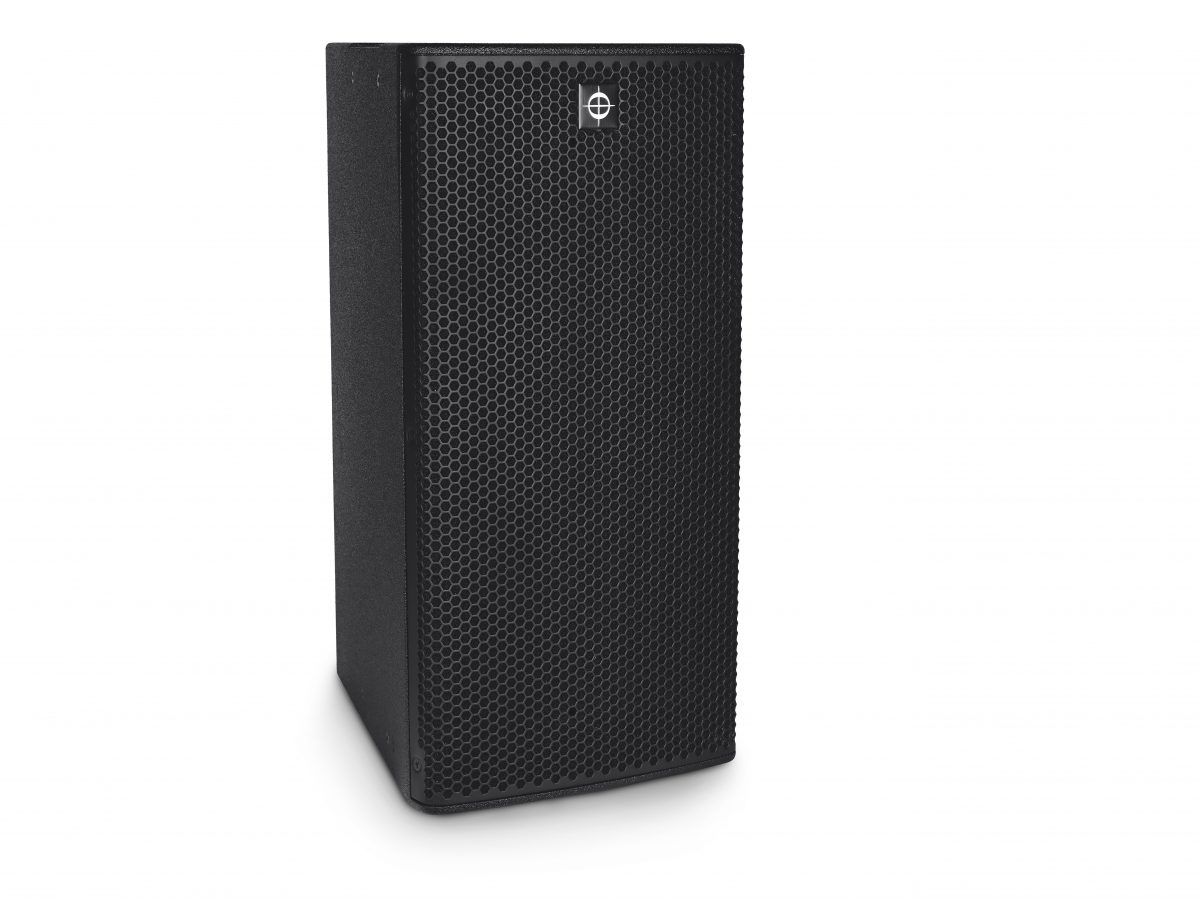
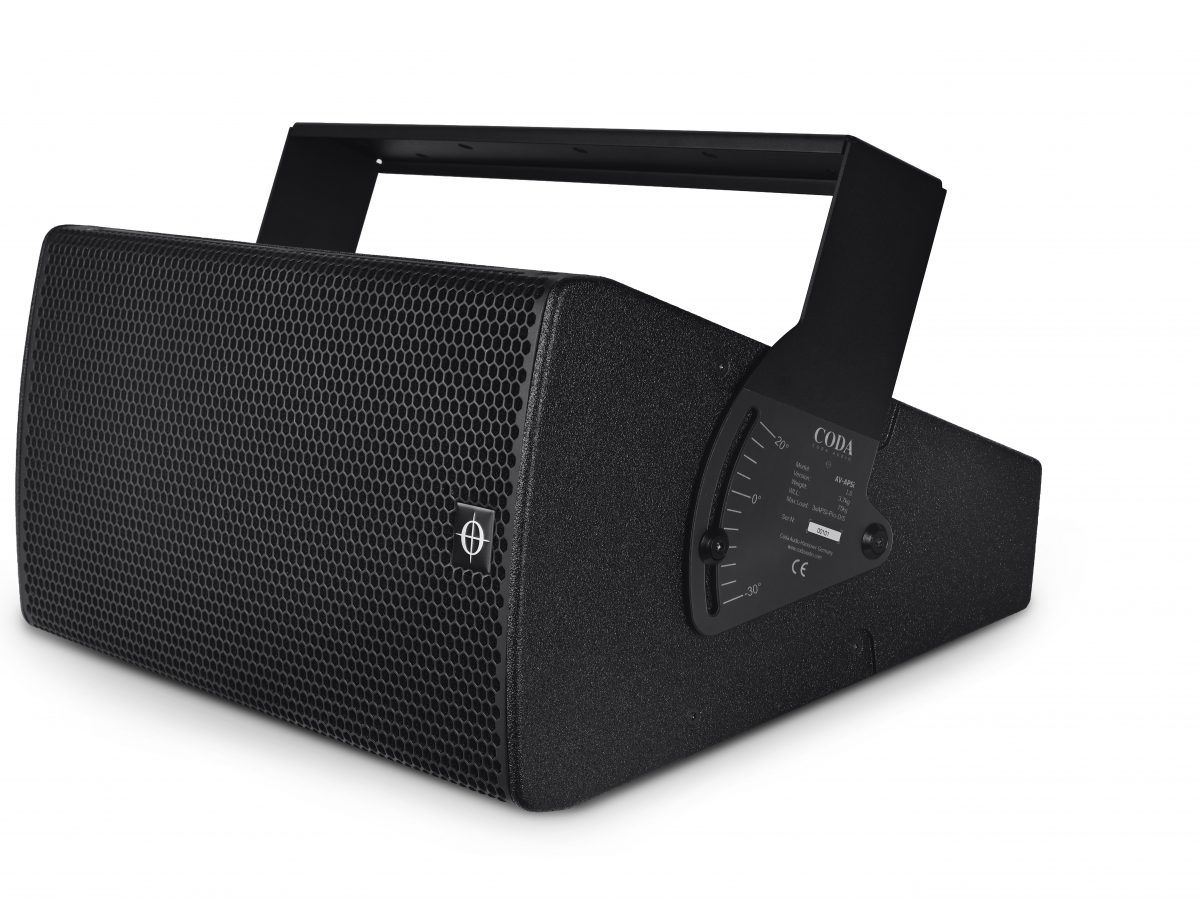
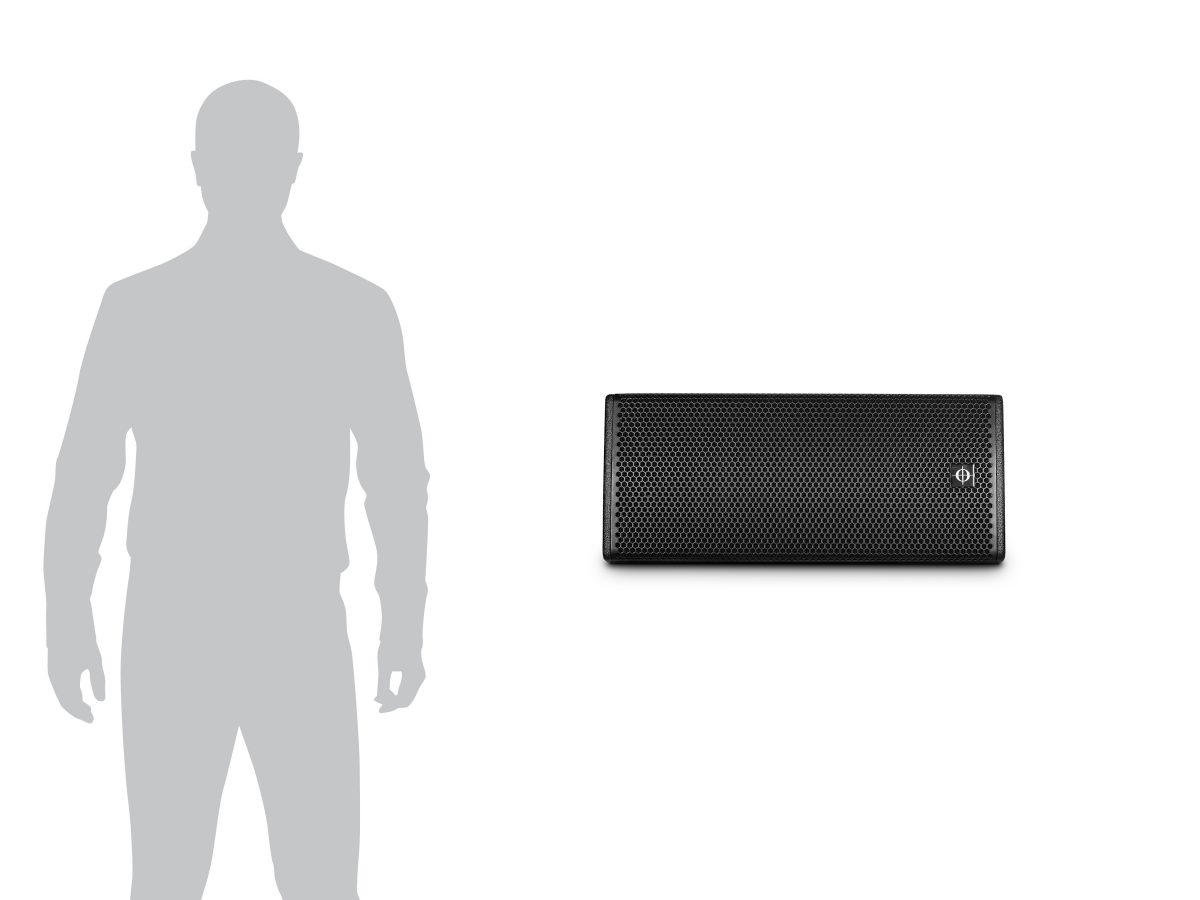
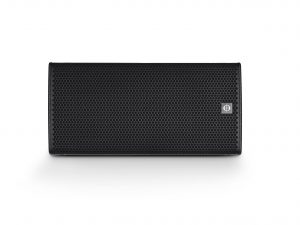
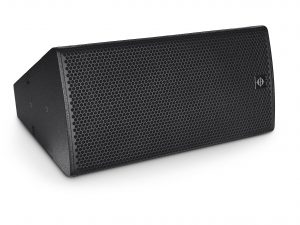
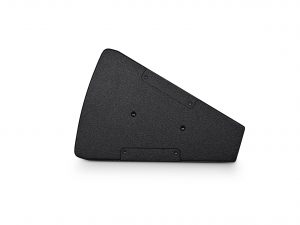
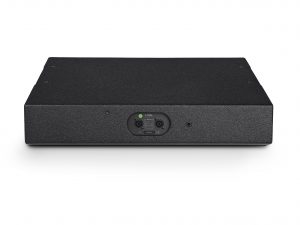
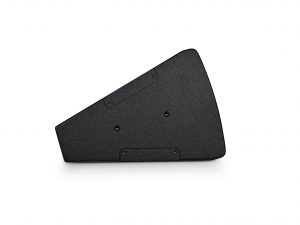
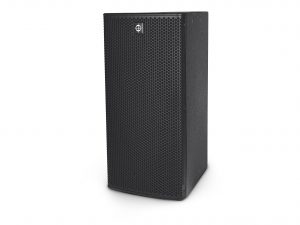
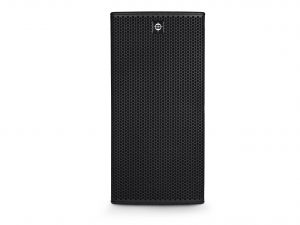
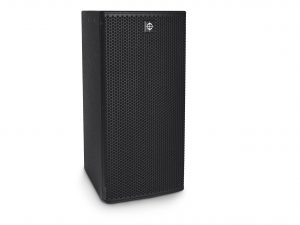
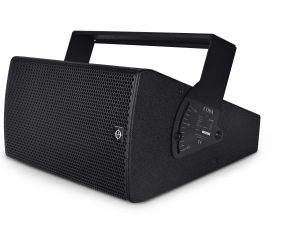
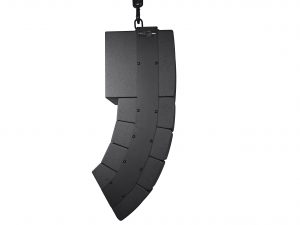
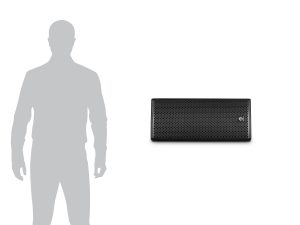
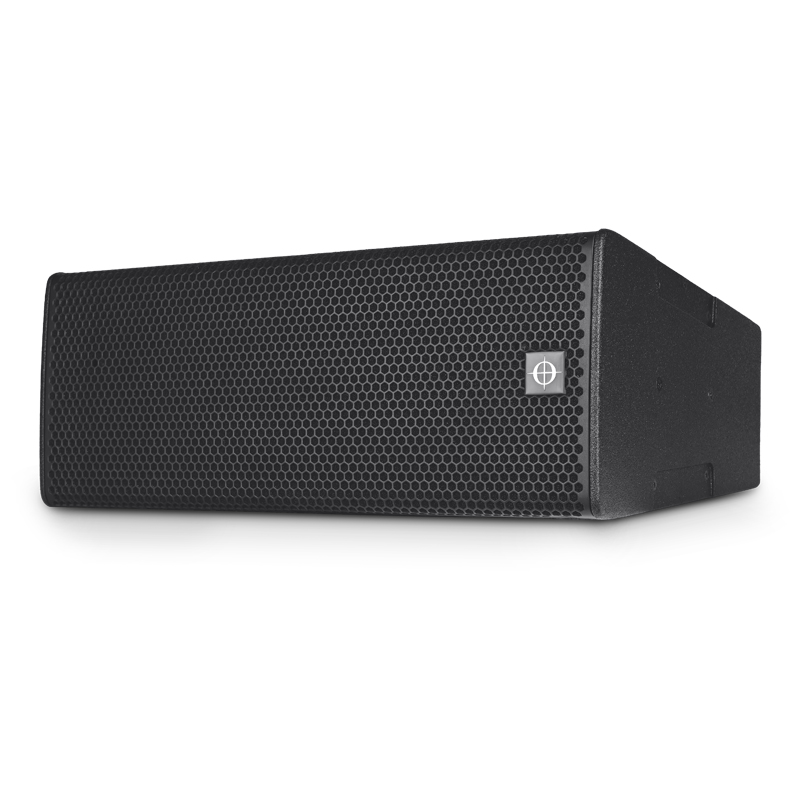
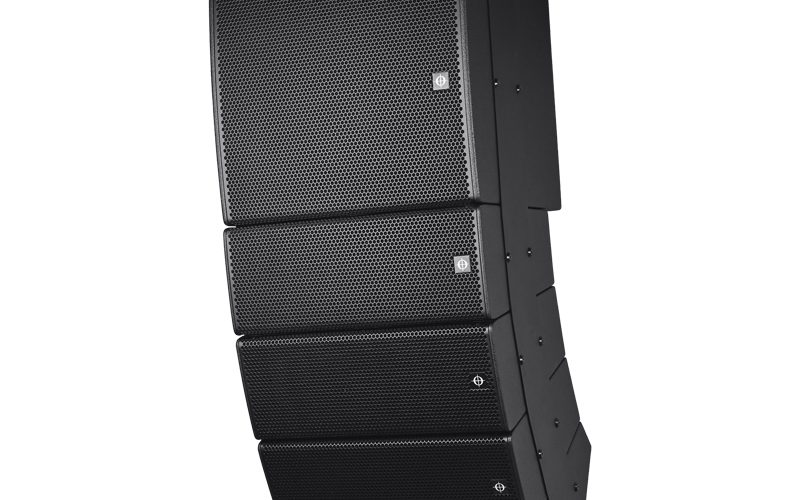
Der APSi‑Pro‑S ist ein kompakter, in Arrays anordbarer Drei-Wege-Punktquellenlautsprecher, der speziell für Festinstallationen entwickelt wurde, die eine breite vertikale Abstrahlung, hohe Leistung und die Möglichkeit einer nahtlosen Integration in skalierbare Systemarchitekturen erfordern.
Obwohl der APSi‑Pro‑S die gleiche akustische Kerntechnologie wie der APSi‑Pro‑D aufweist, bietet er eine vertikale Abstrahlung von 30°, was ihn zum idealen Baustein für Kurzstreckenbereiche, die Verstärkung unter Balkonen, die Nahfeldabdeckung und alle Installationen macht, bei denen eine größere vertikale Reichweite erforderlich ist, ohne dabei an Klarheit oder Kontrolle einzubüßen. Sein akustisches Herzstück bildet der Dual Diaphragm Coaxial Curved Wave Driver (DDC) von CODA, der mittlere und hohe Frequenzen aus einer einzigen kohärenten Quelle wiedergibt. Dieser Treiber ist mit dem magnetischen InstaFit APS‑COUPLER gekoppelt und bildet so eine einheitliche, mustergesteuerte Wellenfront, die über das gesamte Array hinweg Konsistenz gewährleistet. Wie bei allen APSi-Pro-Modulen lässt sich die horizontale Abstrahlung mithilfe austauschbarer Koppler präzise anpassen, sodass Systemplaner die Abdeckung an die architektonischen Anforderungen des Veranstaltungsortes anpassen können.
Der Tieftonbereich des APSi‑Pro‑S entspricht dem des APSi‑Pro‑D und nutzt zwei 10-Zoll-Neodym-Tieftöner mit hoher Auslenkung und Carbonfaser-Membranen, die für außergewöhnliche Steifigkeit und eine geringe bewegliche Masse sorgen. Diese Treiber sind thermisch mit einer geformten Aluminium-Schallwand verbunden, die gleichzeitig die Reflexöffnungen des Gehäuses bildet und die Dynamic Airflow Cooling (DAC)-Technologie von CODA umsetzt. DAC leitet Wärme aktiv von den Motorstrukturen ab, erhöht die Dauerbelastbarkeit und reduziert die Leistungskompression erheblich – ein entscheidender Vorteil bei Festinstallationen, bei denen Systeme über längere Zeiträume mit hoher Leistung betrieben werden müssen. Dadurch wird sichergestellt, dass der APSi-Pro-S auch unter anspruchsvollen Langzeitbetriebsbedingungen eine konstante Tieftonwiedergabe bis hinunter zu 50 Hz beibehält.
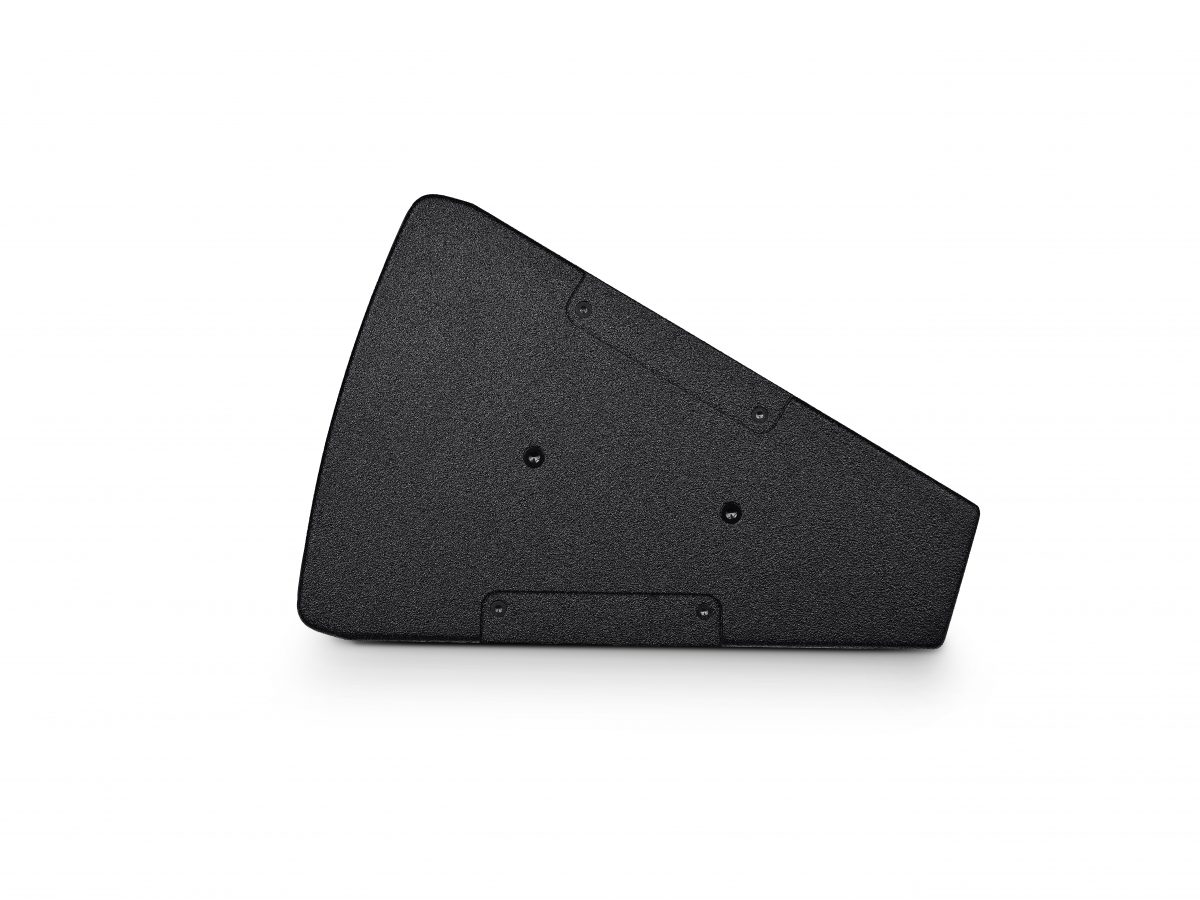
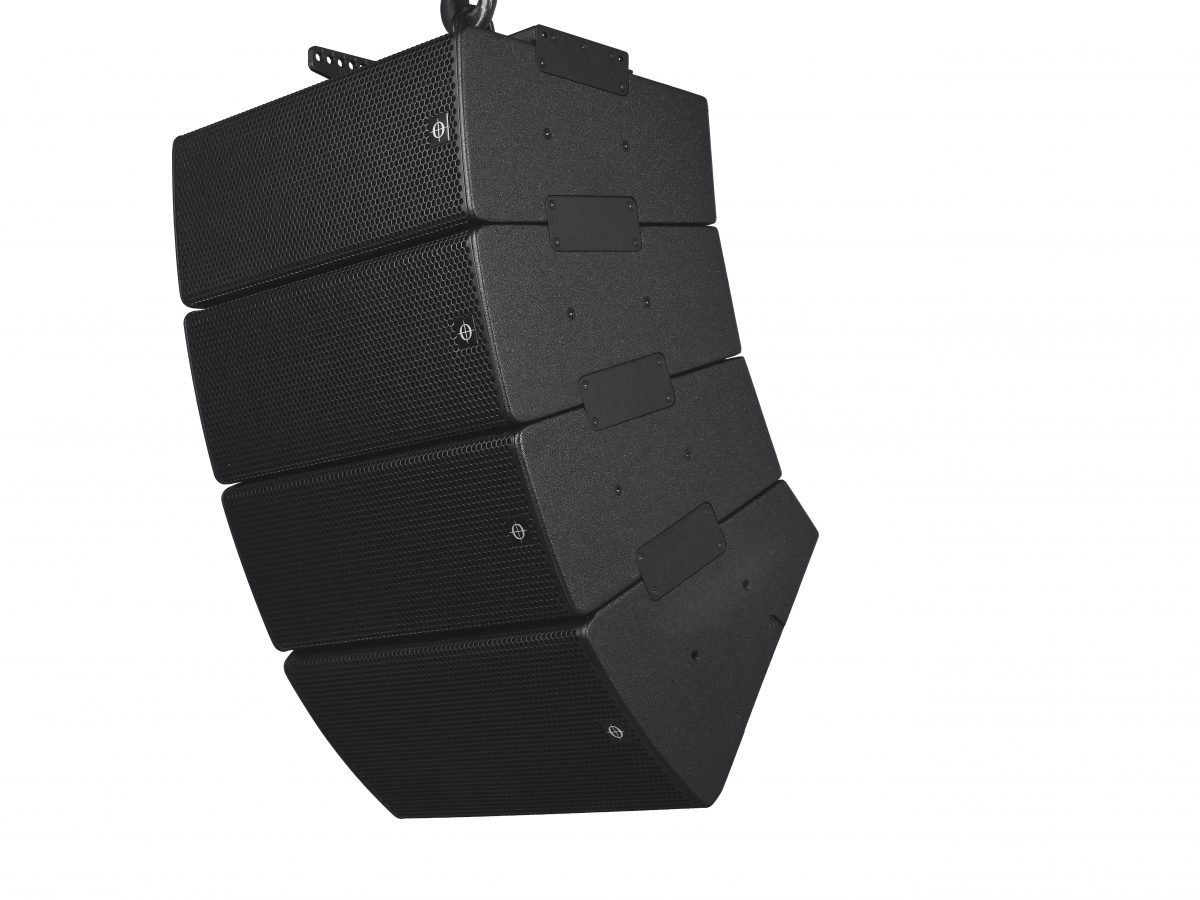
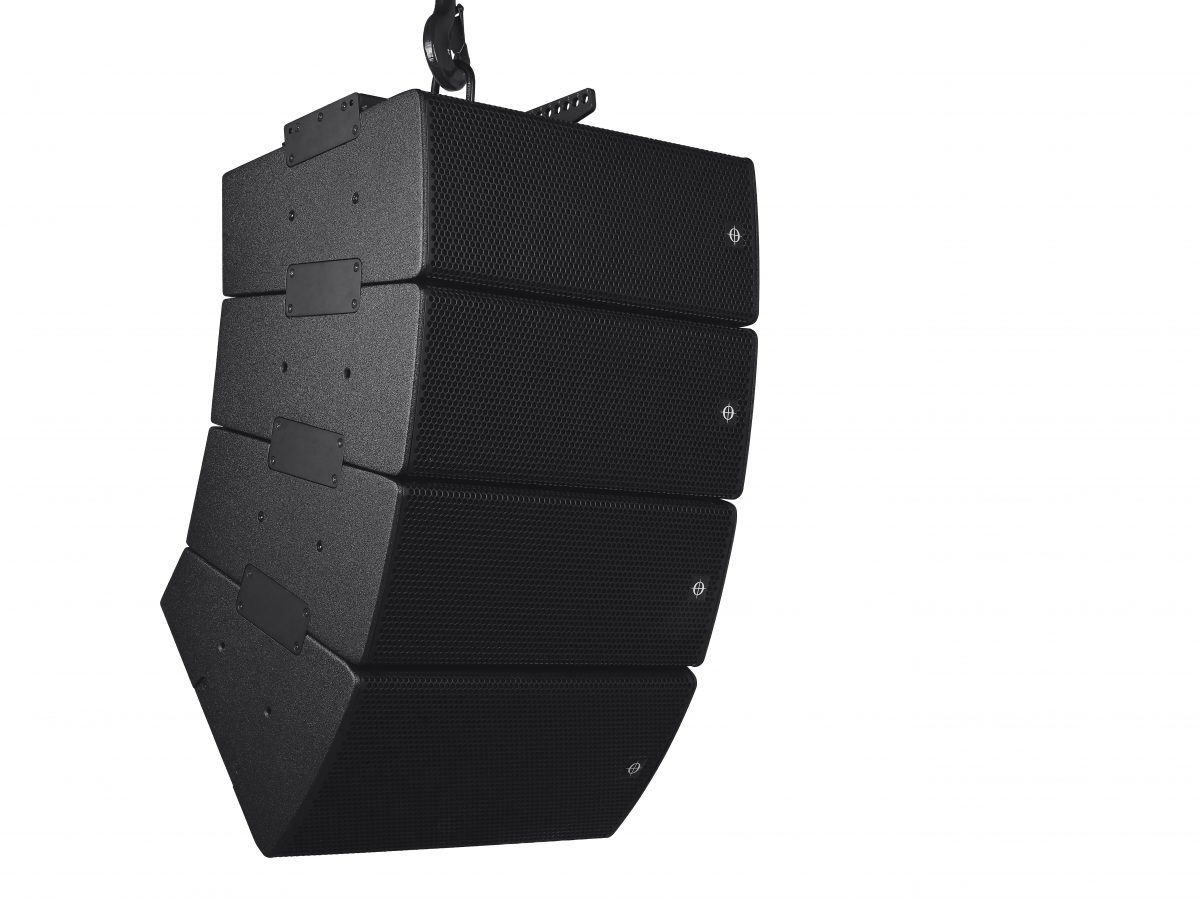
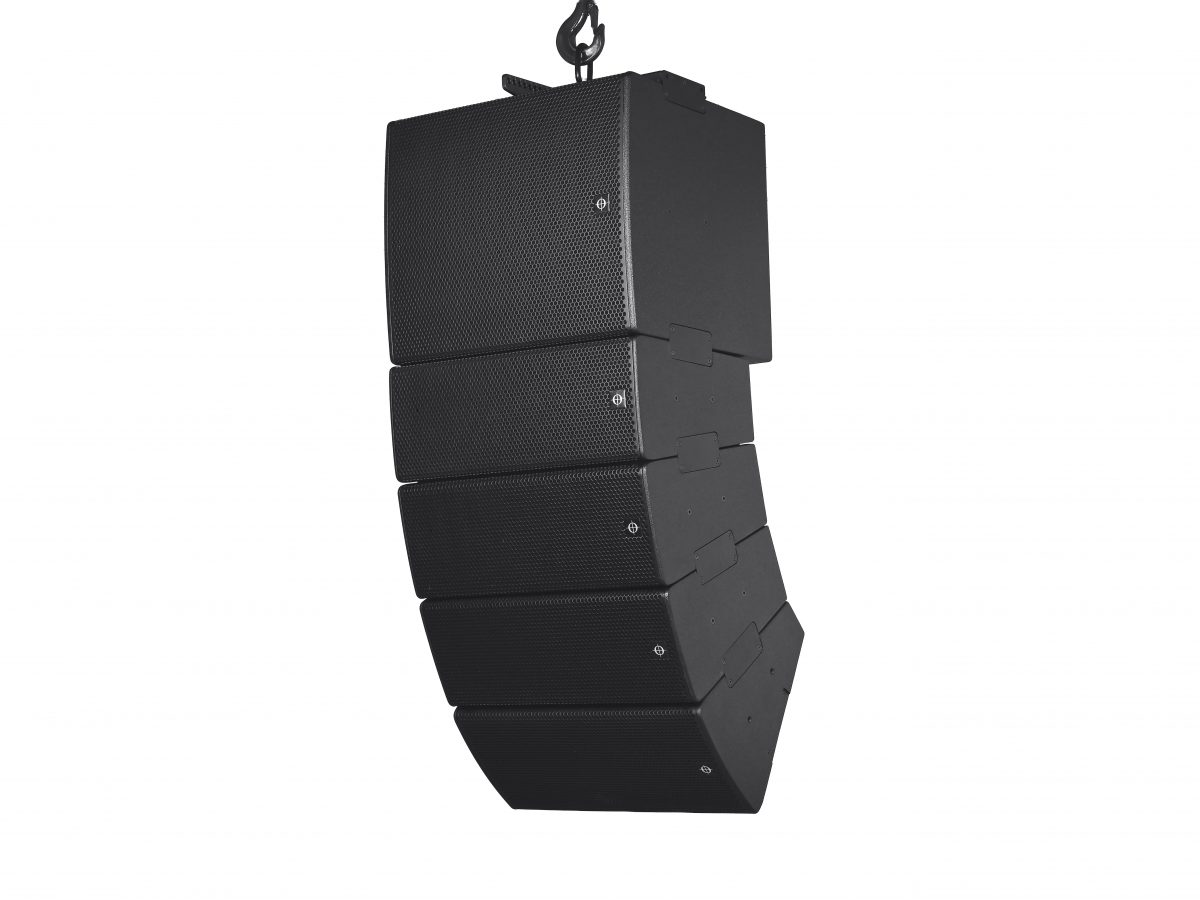
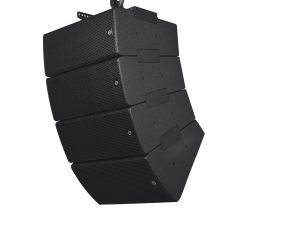
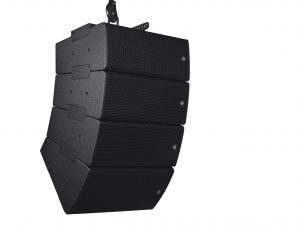
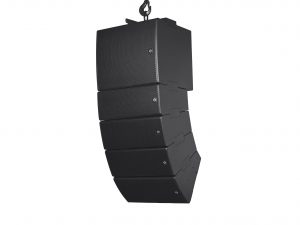
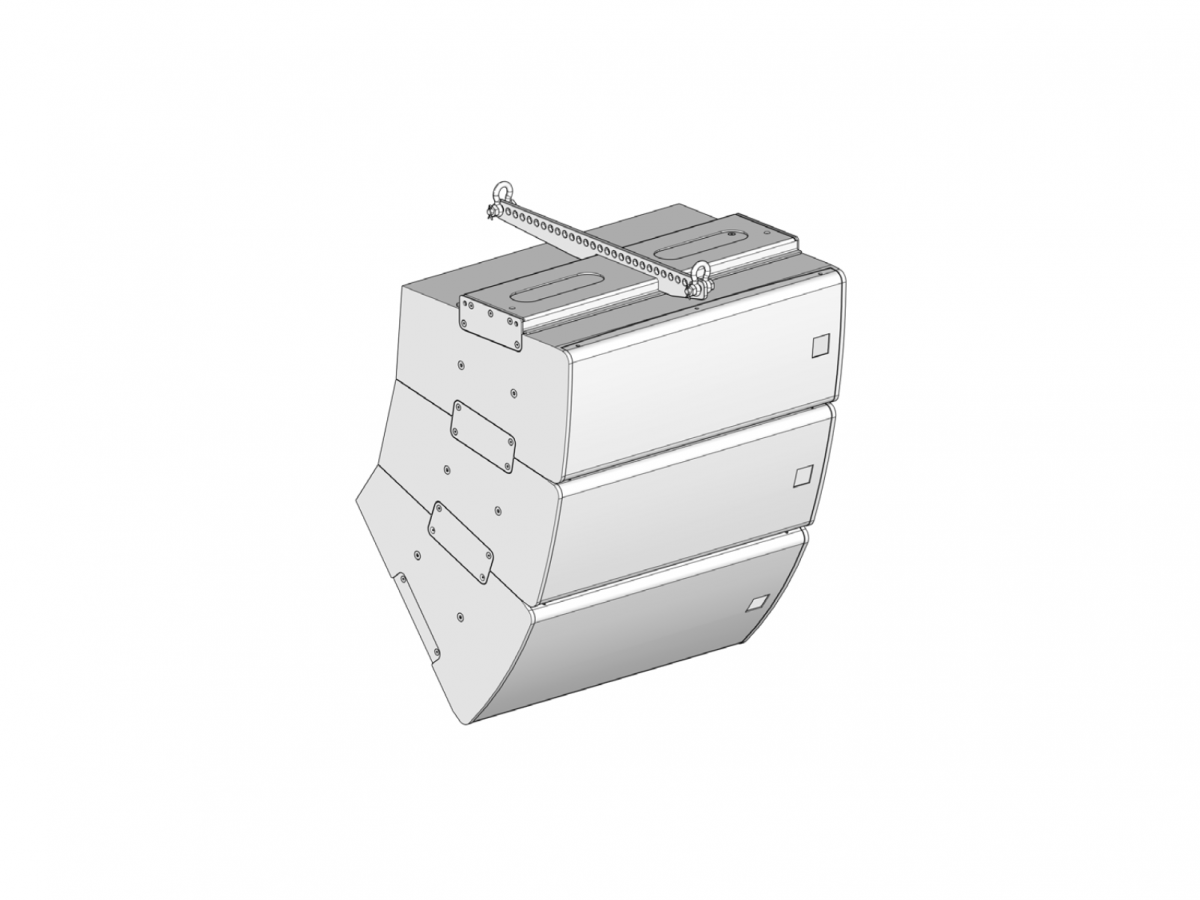
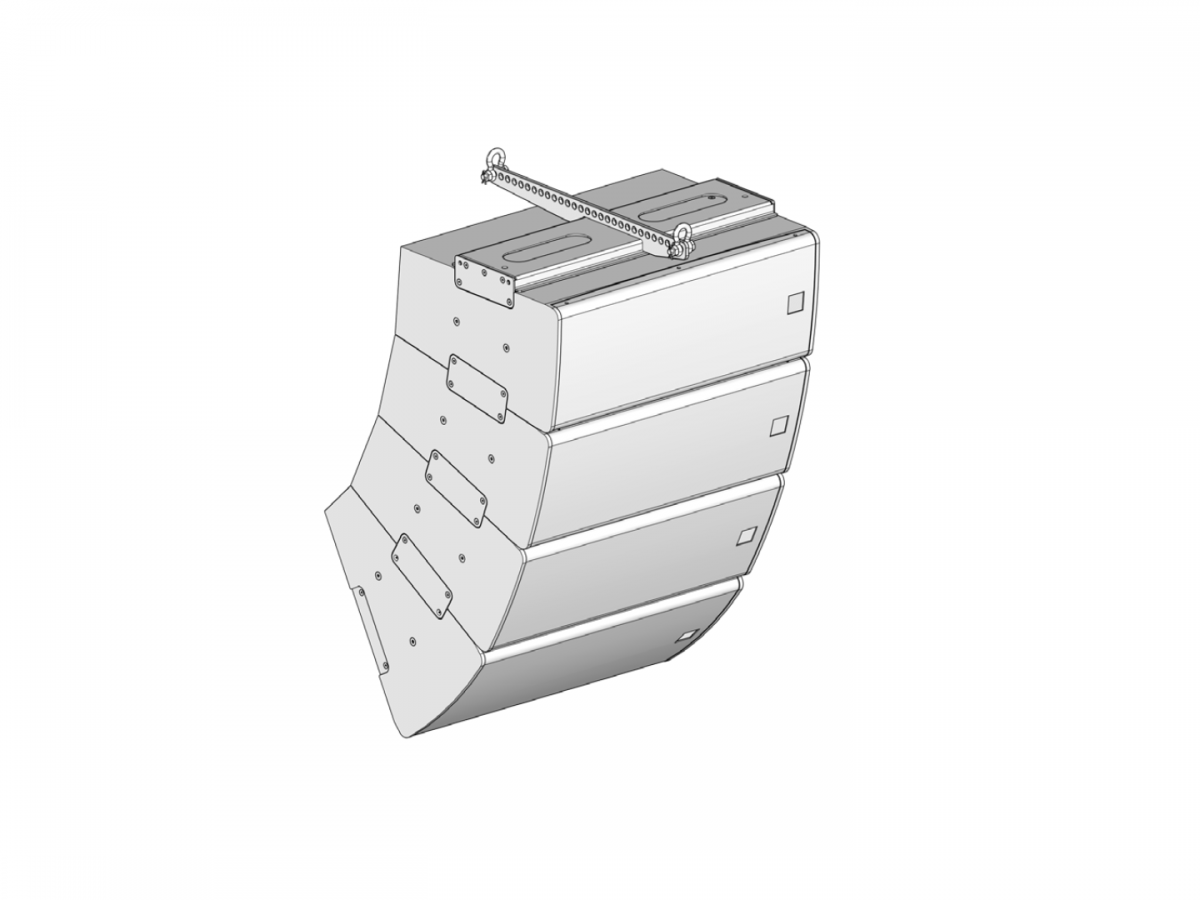
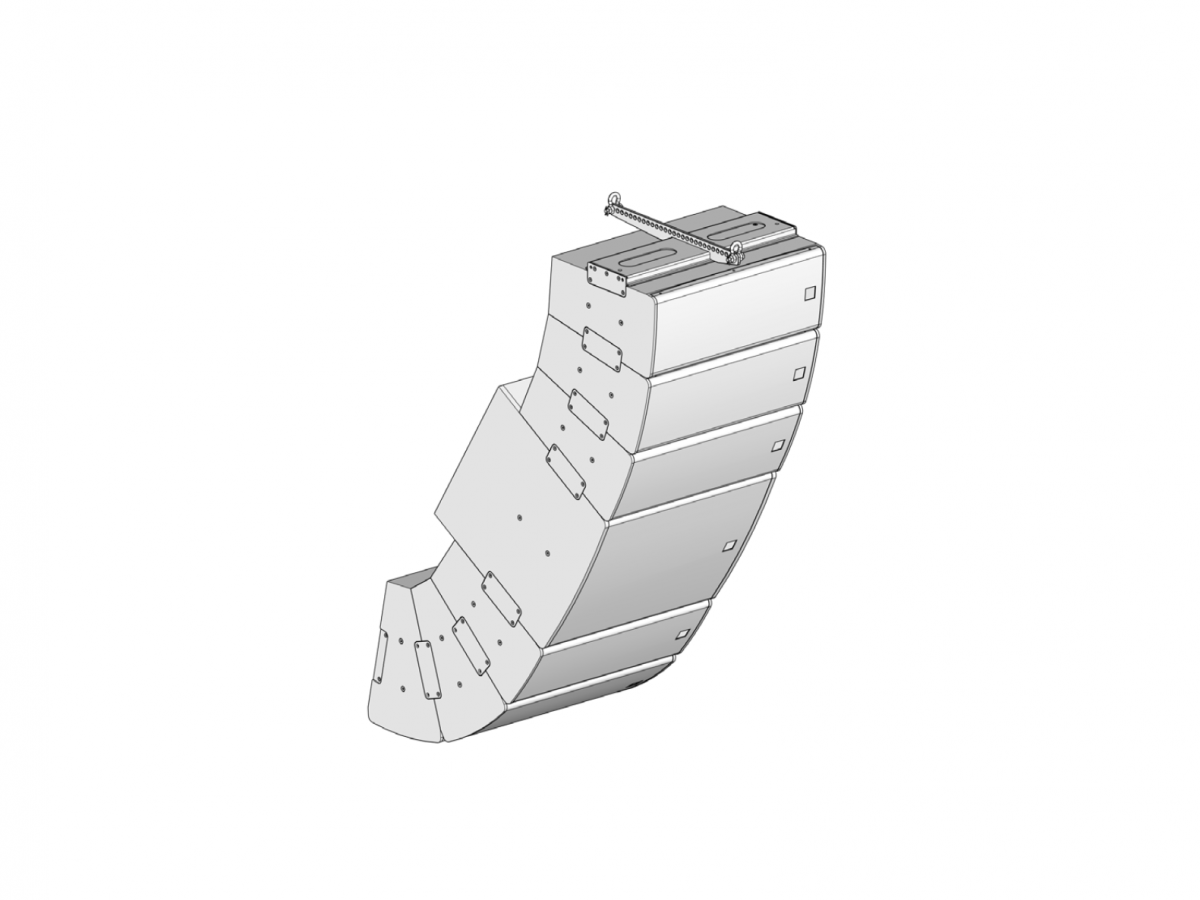
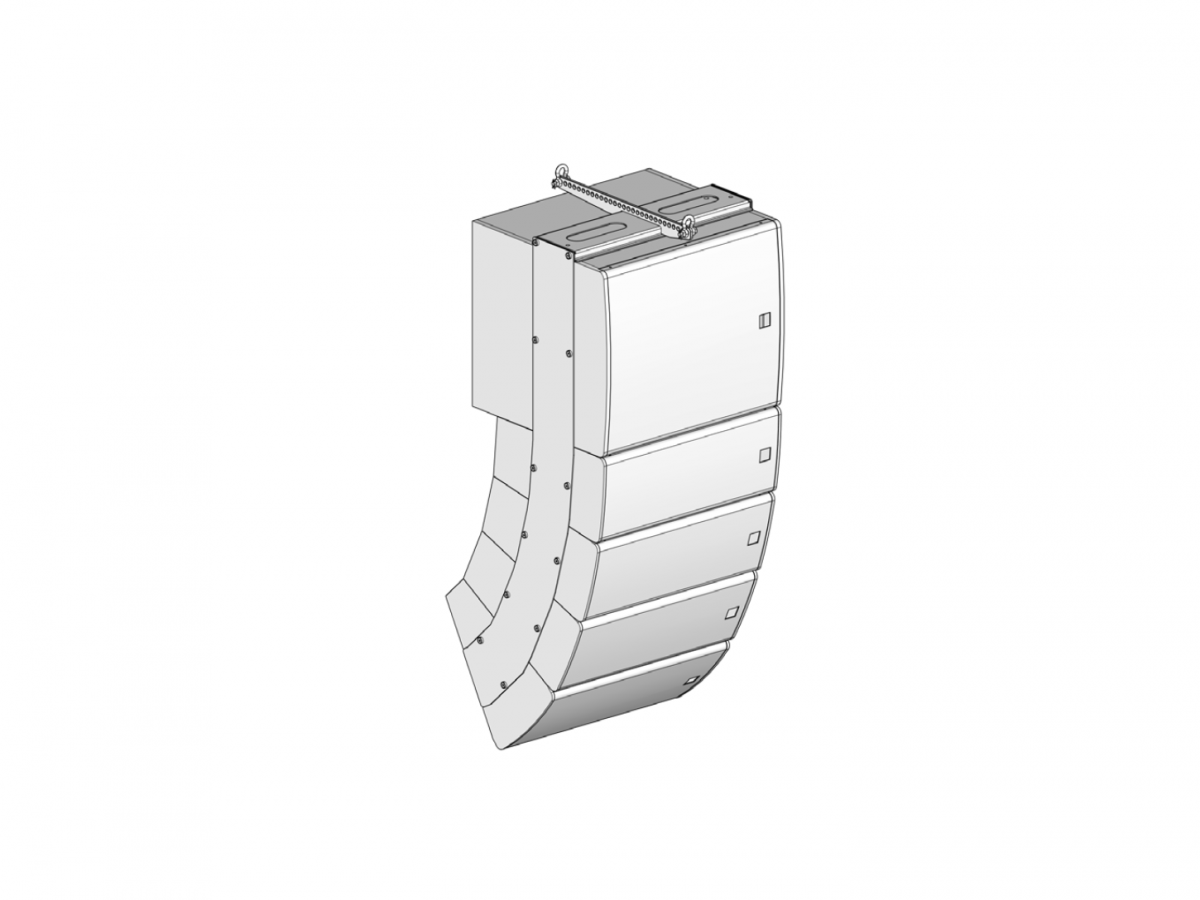
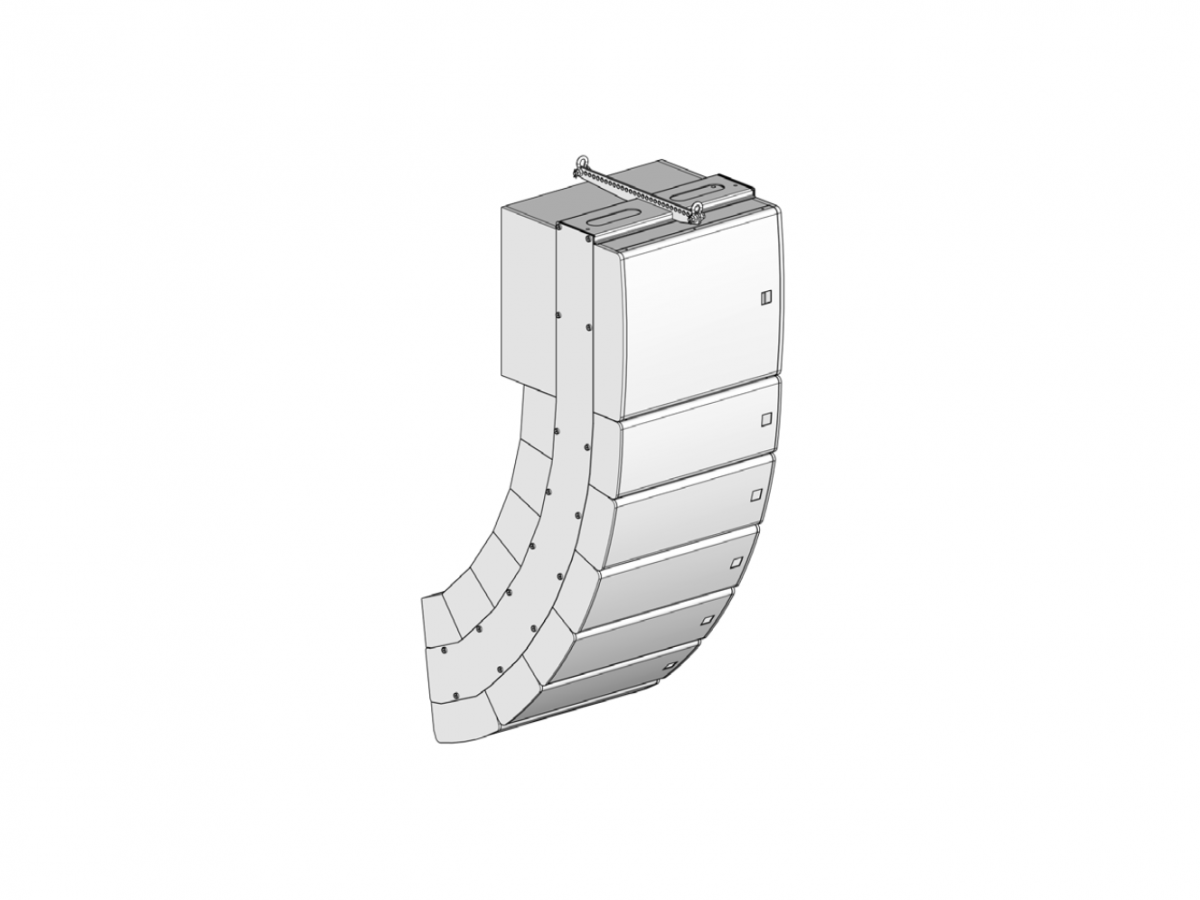
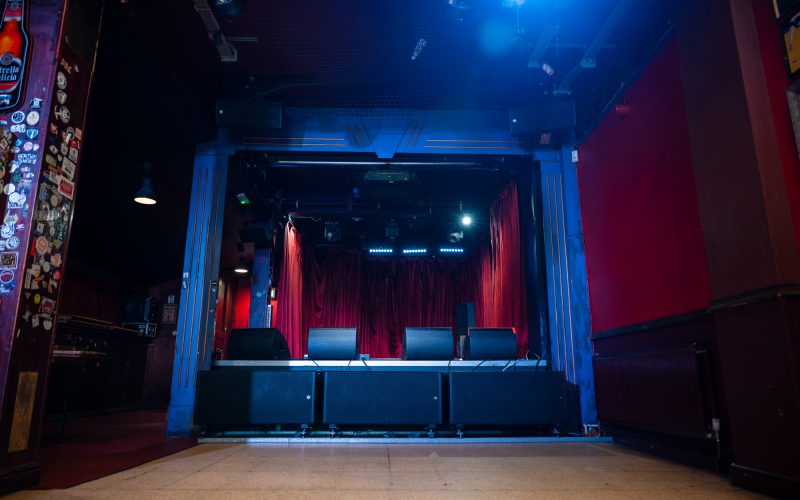
Mit seinem vertikalen Abstrahlwinkel von 30° ist das APSi‑Pro‑S für Anwendungen optimiert, bei denen ein einzelnes Modul oder eine kleine Anzahl von Modulen einen großen vertikalen Bereich abdecken muss. Es kann einzeln eingesetzt, in kompakten Arrays verwendet oder mit APSi‑Pro‑D-Modulen kombiniert werden, um Hybridkonfigurationen zu schaffen, die 10°- und 30°-Elemente miteinander verbinden. Diese Flexibilität ermöglicht es Systemplanern, Arrays zu konstruieren, die sich der Geometrie des Veranstaltungsortes anpassen und eine gleichmäßige, vorhersehbare Abdeckung von der ersten Reihe bis in den hinteren Bereich des Raums gewährleisten. Obwohl das APSi‑Pro‑S kompakt und optisch unauffällig ist, wurde es als echtes Installationssystem konzipiert, dessen Aufhängung und Zubehör speziell für den festen Einbau und eher weniger für den Tournee-Einsatz ausgelegt sind.
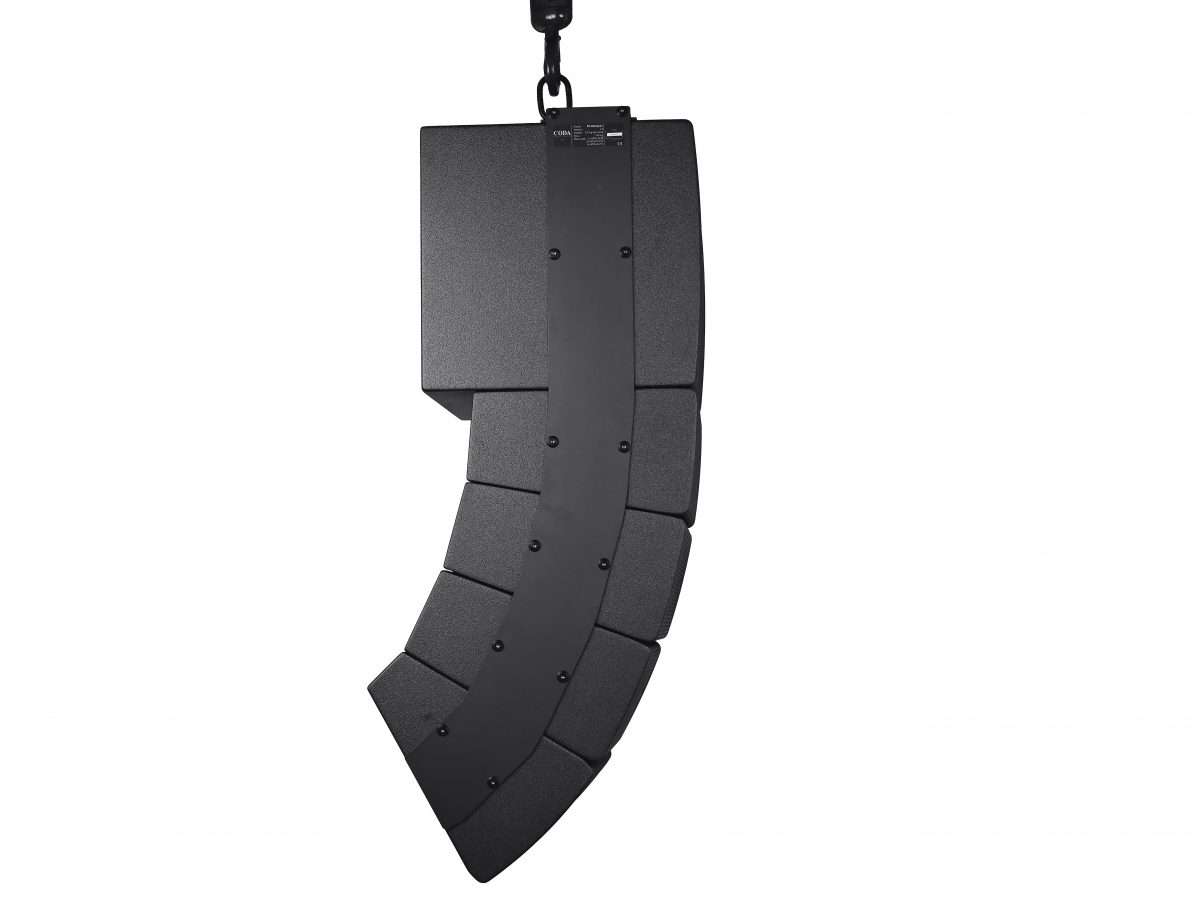
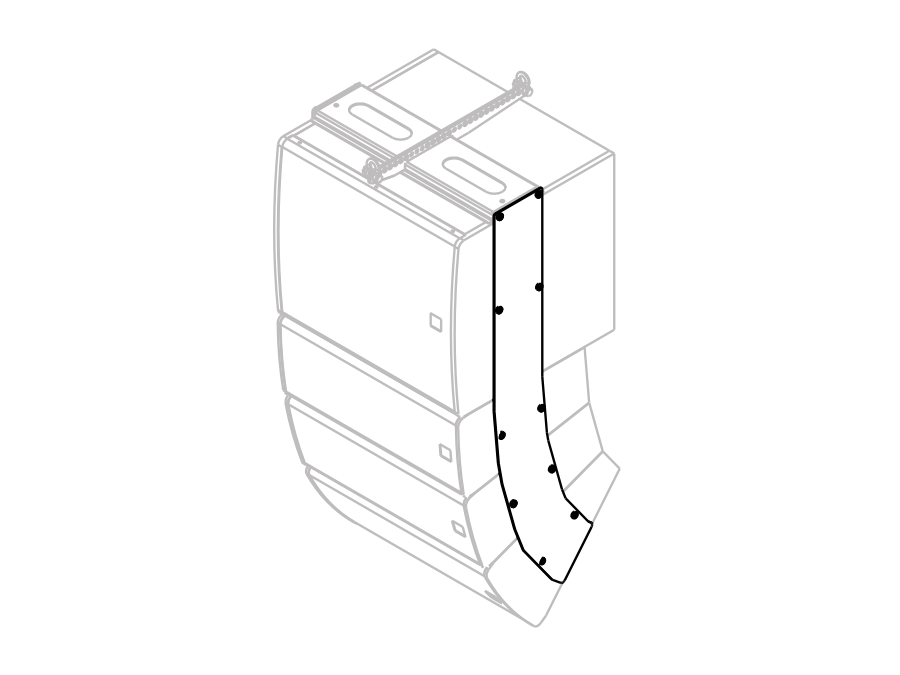
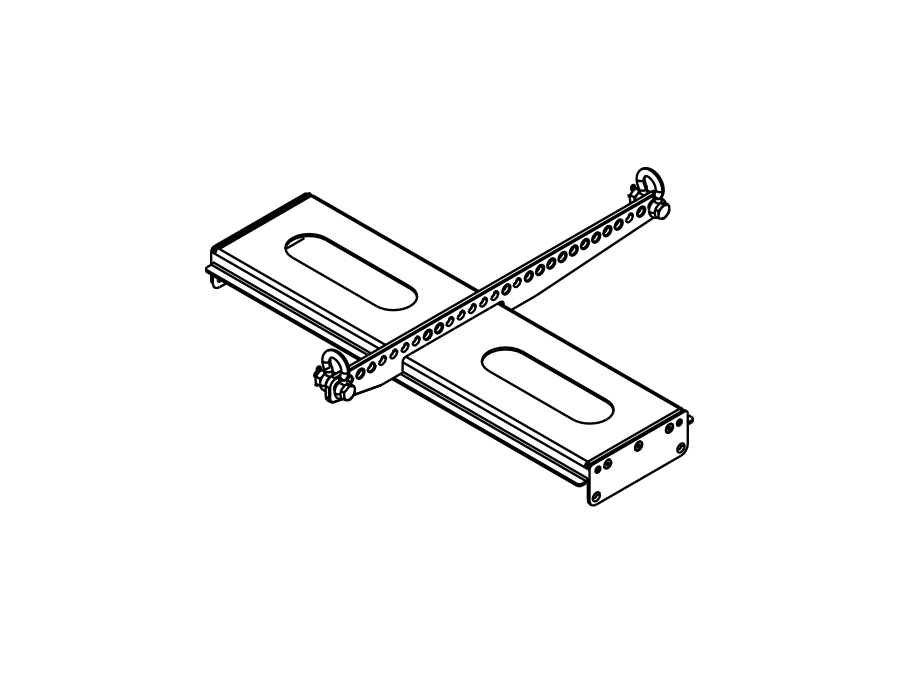
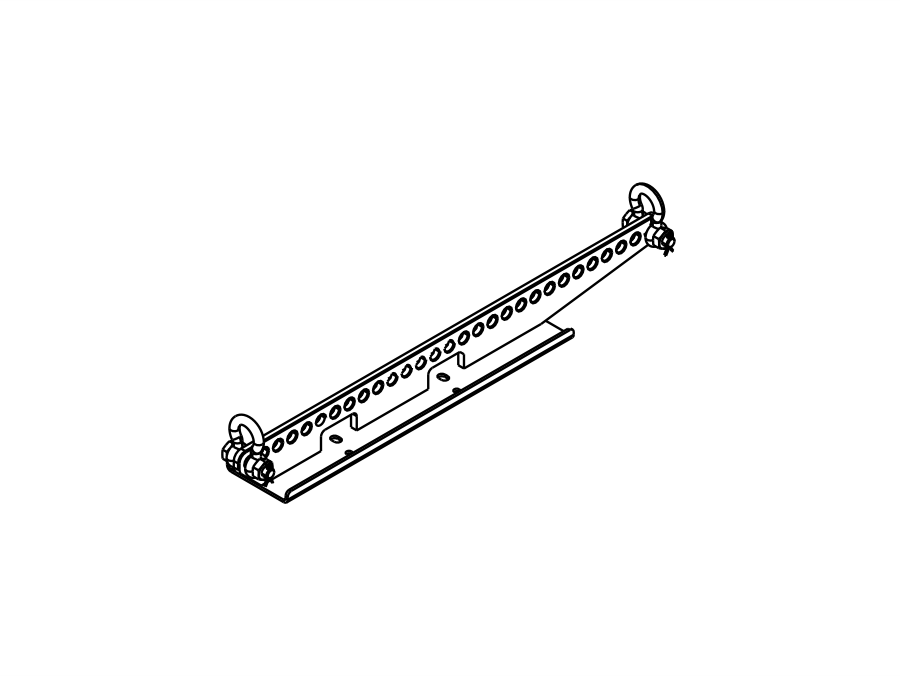
Ein wesentlicher Vorteil der APSi‑Pro-Installationsserie ist das einzigartige „Array Keeper“-Zubehörsystem, das speziell entwickelt wurde, um die Herausforderungen bei der langfristigen Wartung von Festinstallationen zu bewältigen. Bei herkömmlichen Array-Rahmen müssen die unteren Lautsprecher entfernt werden, um Zugang zu einem höher im Array positionierten Modul zu erhalten, was zu unnötigem Arbeitsaufwand, längeren Ausfallzeiten und erhöhten Risiken bei der Wartung führt. Der APSi‑Pro J‑Frame beseitigt dieses Problem vollständig. Seine mechanische Konstruktion ermöglicht es, jeden einzelnen Lautsprecher – einschließlich der APSi‑Pro‑S-Module – zu entfernen, zu überprüfen oder auszutauschen, ohne die darunter liegenden Einheiten zu beeinträchtigen, selbst wenn das System vollständig installiert ist. Diese Fähigkeit ist von unschätzbarem Wert in Theatern, Clubs, Gotteshäusern und Mehrzweckveranstaltungsorten, wo der Zugang eingeschränkt ist und die Wartungsfenster kurz sind. Der J-Frame stellt sicher, dass APSi-Pro-Systeme während ihrer gesamten Lebensdauer praktisch, wartungsfreundlich und betriebswirtschaftlich effizient bleiben.
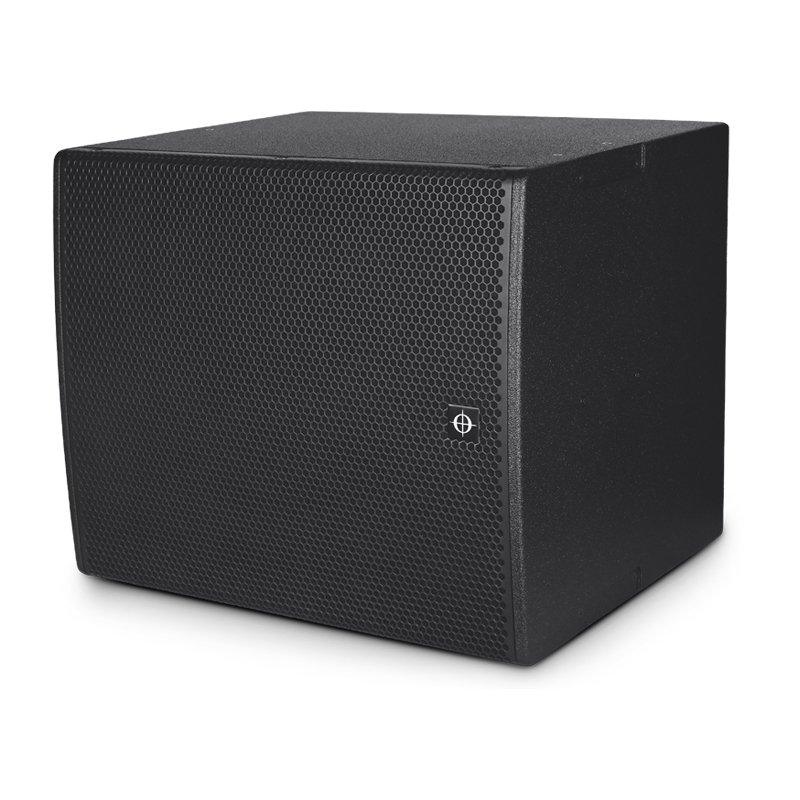
In Kombination mit dem APSi‑SUB erweitert der APSi‑Pro‑S die Systembandbreite bis auf 28 Hz und liefert damit eine Vollbereichsleistung, die sich für Musik, Sprache und Anwendungen mit hoher Wirkung eignet. Der Subwoofer kann über oder unter APSi‑Pro-Arrays aufgehängt oder am Boden gestapelt werden, was Flexibilität für Veranstaltungsorte mit architektonischen Einschränkungen oder strengen ästhetischen Anforderungen bietet. Zusammen bilden APSi‑Pro‑S, APSi‑Pro‑D und APSi‑SUB eine einheitliche, für Installationen optimierte Plattform, die die Klarheit einer Punktquelle mit der Skalierbarkeit eines Arrays verbindet. Unterstützt wird dies durch fortschrittliche Treibertechnologie und ein Rigging-Ökosystem, das auf Praxistauglichkeit und langfristige Wartungsfreundlichkeit ausgelegt ist.